
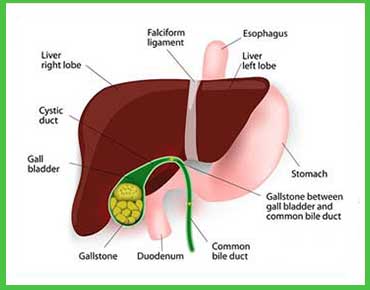
Gallstones (cholelithiasis), or gallbladder stones, are cholesterol or bilirubin deposits that harden in the gallbladder and interrupt normal digestion while causing agonizing pain. These stones can be sand-grain-sized or as big as a golf ball and usually become known only when they cause acute pain, nausea, or some disturbance in digestion. Gallstones are maintained by fatty diets, obesity, and genetics. Complications from untreated gallstones may occur, including the possibility of infections, inflammation, and/or rupture of the gallbladder. Thus, early diagnosis means action: lifestyle modifications may be the answer, medication could be used, or possibly surgery would be undertaken to relieve you and save any complications that would have interfered with the smooth working of the digestive system.
Treatment depends on the severity of the symptoms. Less severe cases can often be treated by modification of diet to include reduced fat intake and more fiber. Medications such as bile acid supplements may help dissolve the smaller stones with time. When gallstones give rise to severe pain with conflicts of inflammation or infection, laparoscopic cholecystectomy is the best treatment. Non-surgical means such as shock wave therapy could break stones into smaller bits, with the risk of recurrence. Surgery is always to be the most safe and long-lasting option in these complex or chronic cases.